Course Objectives
- No Fixed Textbook: This subject does not use a designated textbook. Teachers adhere to the Visual Arts Curriculum Guide (Primary 1 - Secondary 6) (2024) and reference the recommendations from the Primary Art and Craft Curriculum Outline.
- Four Core Learning Objectives: When designing learning activities, subject teachers align with the four learning objectives outlined in the curriculum guide:
- Developing Creativity and Imagination
- Developing Skills and Processes
- Cultivating Critical Appreciation of Arts
- Understanding Arts in Contexts
Domains of Learning
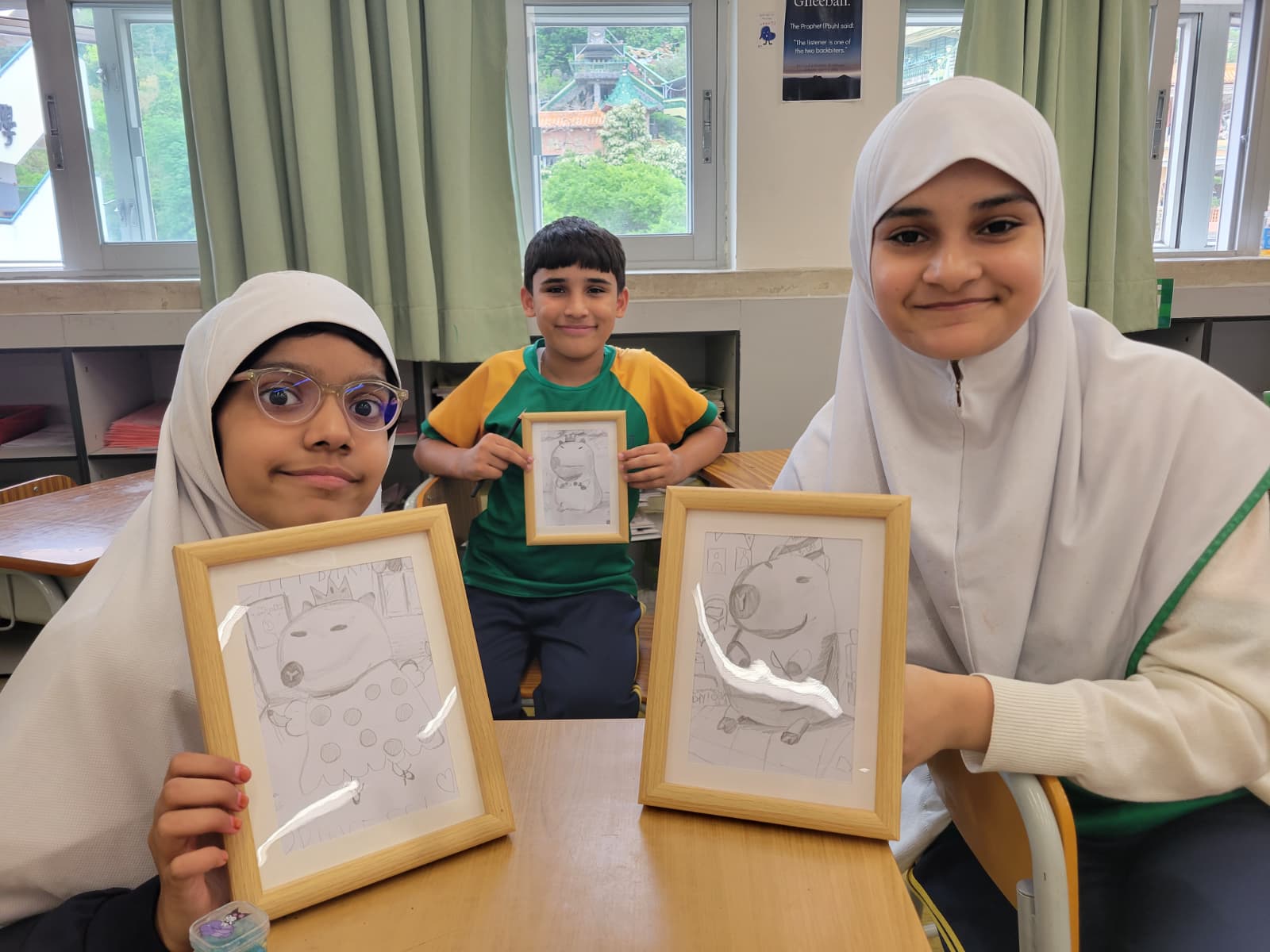
- Cognitive & Applied Learning: Through visual arts learning, students achieve target performance outcomes across four levels of engagement: awareness, understanding, analysis, and application.
- Visual Elements: Visual elements form the fundamental building blocks of visual expression and are present all around us. Learning activities incorporate the following elements to create various artworks:
- Line
- Shape
- Form
- Space
- Color
- Tone (Light and Dark)
- Texture
- Art Forms & Media: Visual arts encompass various forms through which students express personal ideas and feelings:
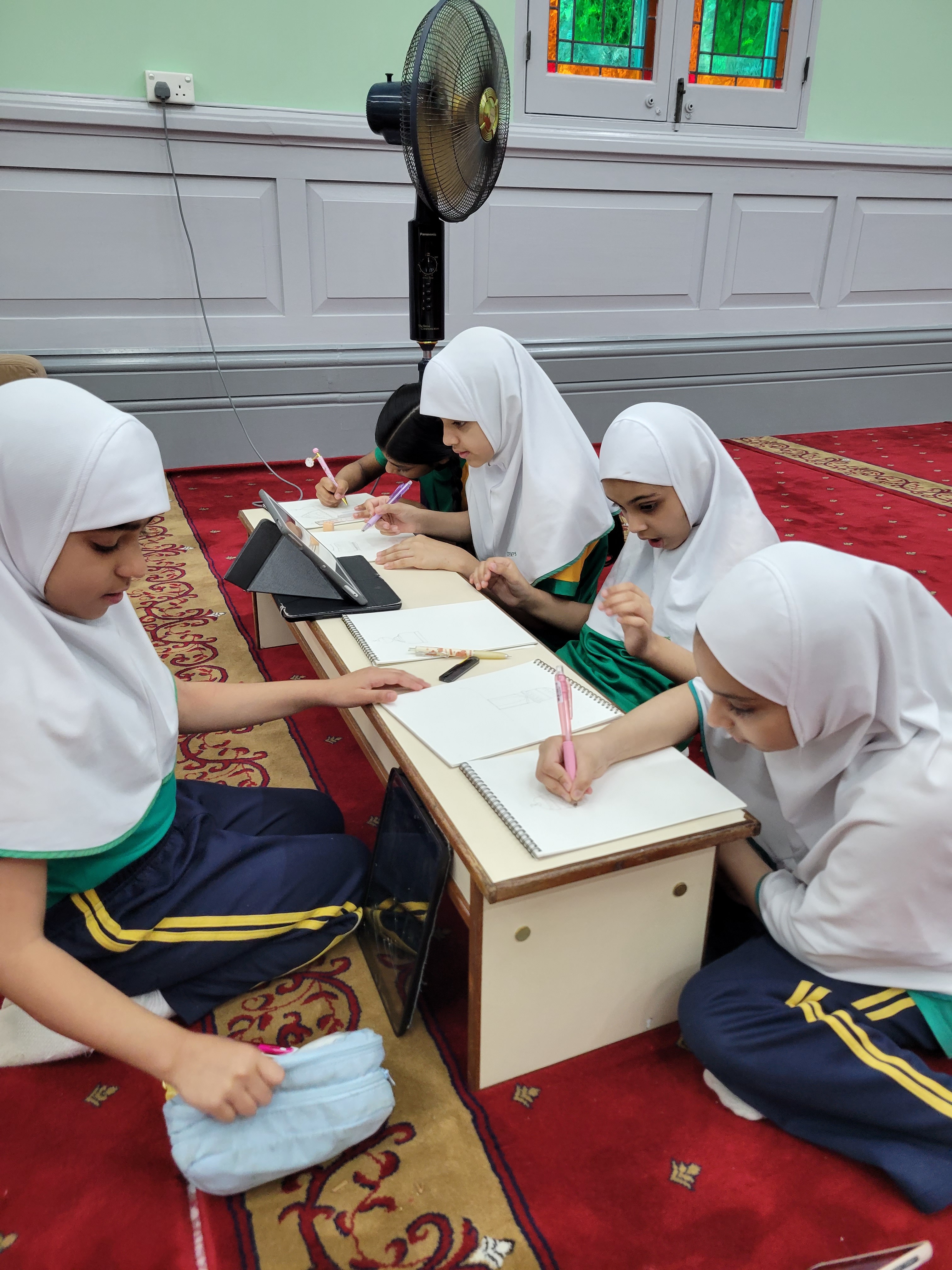
- Drawing
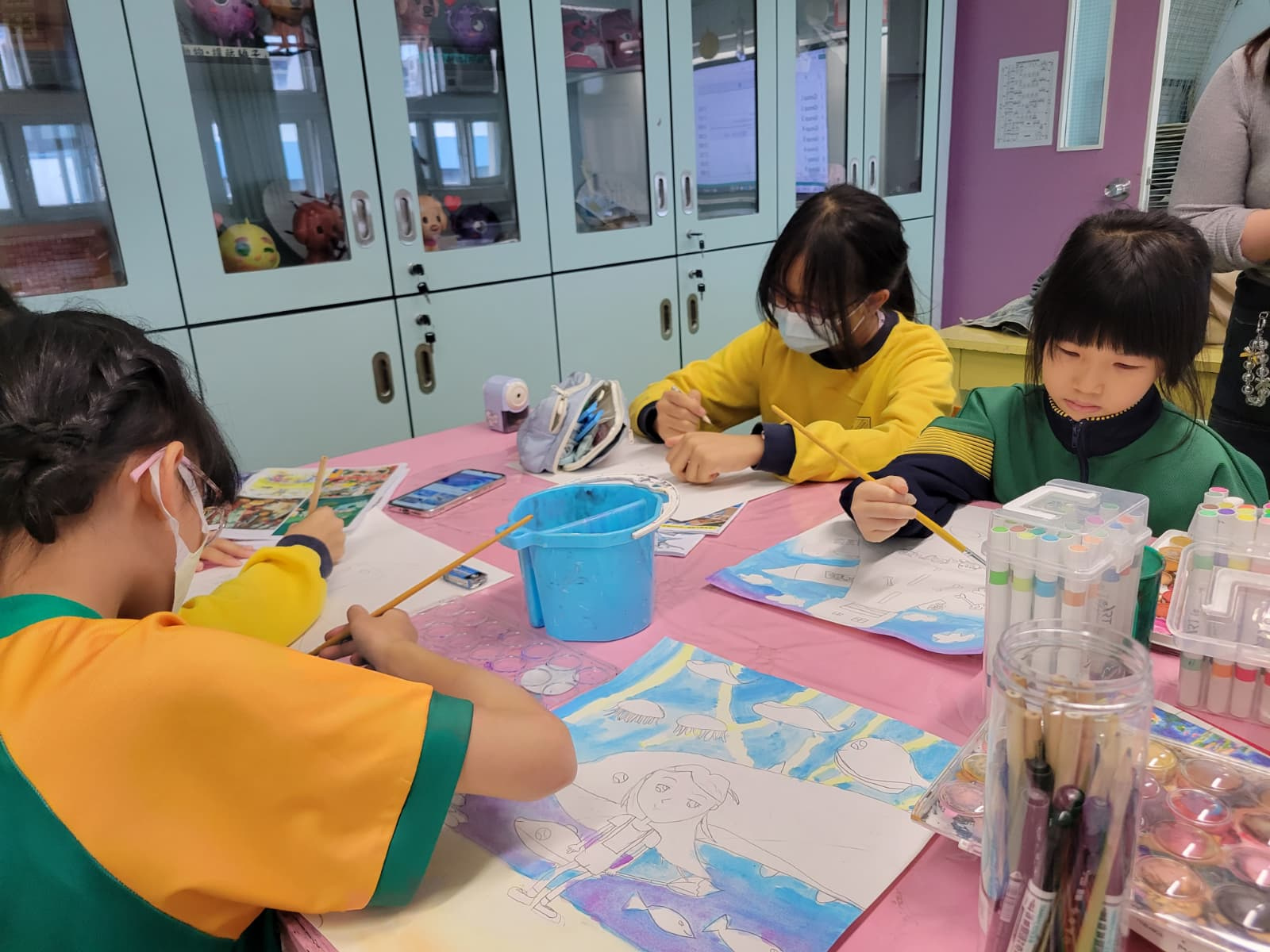
- Painting
- Printmaking
- Design
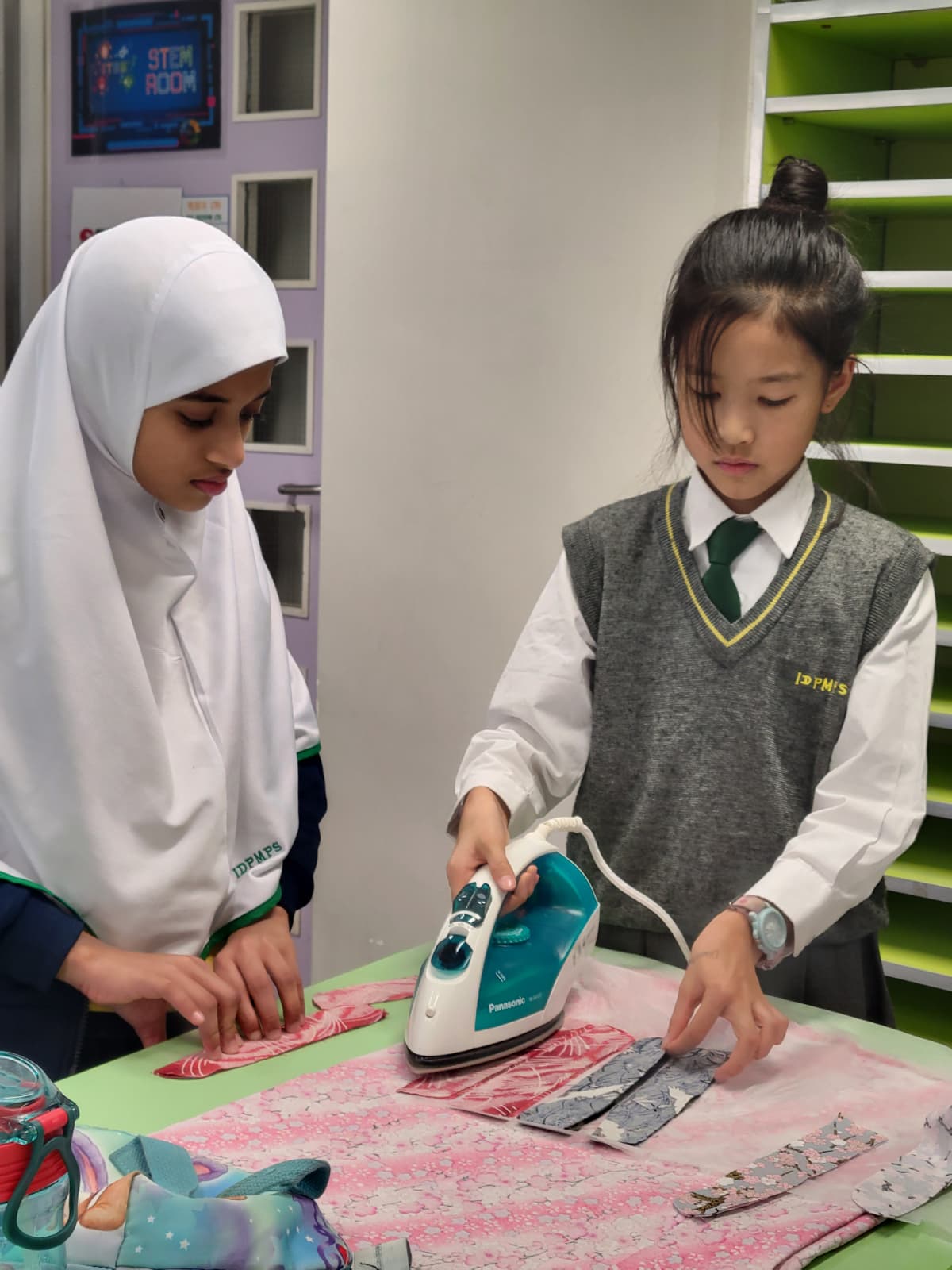
- Crafts
- Sculpture
- Student-Centered Approach: Students learn visual arts through a human-centered teaching model. This approach fosters self-directed learning abilities, wisdom, and positive attitudes, ultimately developing their capacity for artistic pursuit, appreciation, and evaluation.
Assessment and Examination
- P.1–P.6 Grading Scheme: The examination grade is calculated using three pre-determined coursework/continuous assessment scores (i.e., taking the average of these three scores). Subject teachers will make every effort to ensure all students complete the artwork required for continuous assessment submission.
.jpeg)
.jpeg)
 Tsz Lok Estate Phase I, Tsz Wan Shan, Kowloon
 2320 1300
 2322 6566
 idpmps@idpmps.edu.hk